

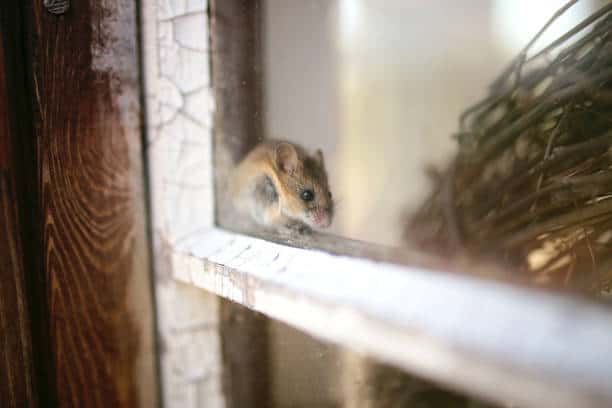
24 Feb How to Tell If You Have a Hidden Pest Problem in Broken Arrow, OK
Pests can be sneaky invaders, hiding in the darkest corners of your home while causing damage and potential health hazards. Many infestations go unnoticed until they become severe, making it crucial to identify the early signs of a hidden pest problem. Let’s take an in-depth look at different areas of your home where you may have uninvited guests.
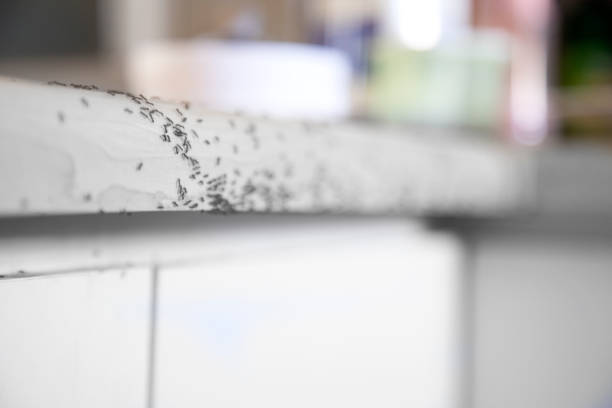
The Kitchen: A Prime Target for Pests
The kitchen is one of the most attractive areas for pests due to the availability of food and moisture. Some of the telltale signs of a pest problem in your kitchen include:- Droppings and Urine Stains: Rodents like mice and rats leave behind small, dark droppings near food sources, behind appliances, and inside cabinets.
- Gnawed Packaging: If you notice holes or chew marks in food packaging, rodents or insects could be to blame.
- Unusual Odors: A musty or oily smell can indicate the presence of cockroaches, while an ammonia-like scent may point to rodents.
- Ant Trails and Nesting Areas: Ants tend to form visible trails leading to food sources, while cockroach nests can be found in warm, dark areas like behind the refrigerator.
The Attic: A Hidden Haven for Pests
Attics provide a warm and secluded environment, making them ideal nesting spots for pests. Look for these signs:- Strange Noises: Scratching, scurrying, or thumping sounds in the attic may indicate the presence of rodents, squirrels, or even raccoons.
- Insulation Damage: Chewed or shredded insulation is a common sign of nesting activity.
- Droppings and Urine Stains: Rodent droppings and yellowish stains on insulation or wood can be clear indicators.
- Nest Materials: Birds, rodents, and other small animals often use paper, leaves, or fabric to build nests in attic corners.
The Basement: A Damp Retreat for Pests
Basements are dark, damp, and often overlooked, creating a perfect habitat for various pests, including insects and rodents. Be on the lookout for:- Silverfish and Centipedes: These moisture-loving pests are often found near leaky pipes or in damp corners.
- Termite Mud Tubes: Subterranean termites create small mud tubes along basement walls or wood structures.
- Spider Webs and Egg Sacs: Many spiders may indicate an underlying insect problem.
- Rodent Droppings and Gnaw Marks: If you see chewed wires or small black droppings, mice or rats could be present.
Walls and Ceilings: Silent Signs of Infestation
Your walls and ceilings may hide pests inside, causing damage that isn’t always immediately visible. Here’s what to look for:- Hollow-Sounding Wood: Termites and carpenter ants tunnel through wood, weakening structures from the inside.
- Bubbling or Peeling Paint: Moisture buildup caused by termites or other pests can damage paint.
- Grease Marks or Tracks: Rodents often follow the same pathways, leaving behind dark, greasy smudges along walls and baseboards.
- Mysterious Noises: Clicking, tapping, or rustling noises inside walls may indicate an infestation.
Furniture and Upholstery: Unexpected Pest Hideouts
Pests don’t just stay in hidden crevices; they can also inhabit furniture, upholstery, and bedding. Here are signs to watch for:- Bed Bug Bites or Stains: Small red welts on your skin, blood stains on sheets, or tiny black fecal spots are signs of bed bugs.
- Fabric Damage: Moths and carpet beetles feed on natural fibers, leaving behind holes in clothing, curtains, and upholstery.
- Dust Piles or Shed Skins: Termites and other pests may leave small piles of dust or shed skins on furniture surfaces.

The Garage: A Gateway for Pests
Garages offer an easy entry point for pests seeking shelter, especially during extreme weather conditions. Here’s what to check:- Rodent Tracks and Gnaw Marks: Look for chew marks on stored items and footprints in dusty corners.
- Insect Nests: Wasp nests, spider webs, and ant colonies can often be found in garage corners or storage boxes.
- Dead Insects: An accumulation of dead insects can indicate a larger infestation nearby.
- Cracks and Gaps: Small garage doors, walls, or windows openings can serve as entry points for pests.
What to Do If You Suspect a Hidden Pest Problem
If you’ve noticed any of these signs, taking action early can prevent a minor issue from turning into a full-blown infestation. Here are some steps to take:- Conduct a Thorough Inspection: Regularly check hidden areas, including behind appliances, in storage spaces, and around entry points.
- Seal Entry Points: Close any cracks, gaps, or holes around windows, doors, and foundation walls.
- Keep Your Home Clean: Reduce food and moisture sources by storing food in airtight containers and fixing leaks.
- Use Traps and Baits: For minor infestations, traps or bait stations can help control pests.
- Call a Professional: If the infestation is severe or persistent, consider hiring a pest control expert to assess and develop a treatment plan.
Final Thoughts
Hidden pest infestations can cause significant damage and health risks if left untreated. You can protect your home and family from unwanted intruders by staying vigilant and recognizing the early warning signs. Regular inspections, proper home maintenance, and professional intervention when needed will help keep your living space pest-free year-round.Frequently Asked Questions
What are the signs that I have a pest infestation?
Common signs are droppings, gnaw marks, nests, shed skins or wings, musty odors, scratching noises in walls and damaged food packaging. Seeing pests during the day often means a large population. Any of these signs deserves a closer look.
What does a pest infestation look like?
An infestation can look like droppings in cabinets, chewed packaging, mud tubes on foundation walls, small dark spots on bedding, or insects gathering near lights and moisture. Pests often hide in dark, quiet places, so signs may appear before the pests do. Check kitchens, basements, attics and garages first.
How to identify pests in a house?
Inspect hidden spots with a flashlight, such as under sinks, behind appliances, along baseboards, in attics and in crawl spaces. Look for droppings, shed skins, webs, nests and damage, and note any odor or noises at night. Photograph what you find to help a technician identify it.
What is biting me in my house but I can’t see it?
Unseen bites at night often come from fleas, mites, mosquitoes or other biting insects. Look for small dark spots on sheets, check mattress seams and examine pets for fleas. A pest professional can identify the cause from the bites and what they find.
How to test your house for bugs?
Do a walk-through with a flashlight, checking baseboards, behind appliances, attics, basements and exterior entry points for droppings, nests, damage and moisture. Place sticky traps overnight to catch crawling insects and see what is active. A professional inspection is the most thorough test.
Contact Action Pest Management today for a free quote on pest control in Broken Arrow, OK.