

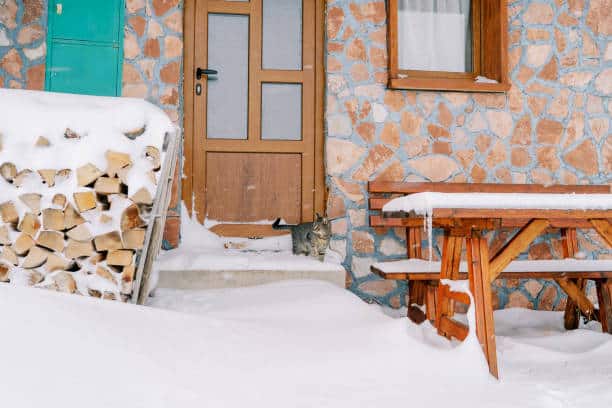
22 Feb How Snow and Ice Impact Pest Behavior in Tulsa, OK
How Winter Weather Impacts Pest Behavior Around Your Home

1. Pests Seek Warm Shelter
As temperatures plummet, many pests cannot survive outdoors and instinctively seek warmth. Snow and ice limit their ability to find food and water, driving them toward human dwellings.- Rodents (mice and rats): These highly adaptable creatures will find their way indoors through even the smallest cracks, nesting in attics, basements, and walls.
- Cockroaches: Some cockroach species, such as the German cockroach, actively seek warmth and moisture inside homes during winter.
- Spiders: Many spider species migrate indoors to escape extreme cold, setting up webs in garages, storage spaces, and dark corners.
- Silverfish and earwigs: These moisture-loving pests may also invade basements and bathrooms in search of humid environments.
2. Hibernation and Dormancy
Not all pests invade homes; some enter a state of dormancy or hibernation to survive the harsh winter months.- Ladybugs and stink bugs: These insects enter diapause, a type of hibernation, and often cluster in attics and wall voids.
- Mosquitoes: Though inactive during winter, mosquito eggs laid in frozen water can hatch in spring.
- Ants: Many ant colonies burrow deeper underground or beneath tree bark to stay insulated from freezing temperatures.
- Beetles and wasps: Some species burrow into wood or hide inside insulation, remaining dormant until spring.
3. Snow and Ice Disrupt Pest Food Sources
Winter weather significantly impacts food availability for outdoor pests, forcing them to search elsewhere.- Rodents: Snow covers natural food sources, prompting mice and rats to scavenge inside human homes.
- Wildlife pests (raccoons, squirrels): These animals may rummage through trash or attempt to enter attics in search of food and shelter.
- Insects: Without decaying plants or accessible water, some bugs turn to indoor environments for survival.
- Termites: Subterranean termites remain active under frozen soil by staying near heated foundations and homes.
4. Structural Damage Creates Pest Entry Points
Ice and snow can weaken home structures, creating gaps and cracks that allow pests to enter.- Ice dams: These can cause roof leaks, leading to moisture problems that attract pests like cockroaches and termites.
- Foundation cracks: Freezing and thawing cycles expand cracks in concrete, providing access for insects and rodents.
- Loose shingles and siding: Strong winter winds and heavy snowfall can create openings for squirrels, bats, and birds.
- Gutter blockages: Ice and debris in gutters can cause moisture buildup, which, once temperatures rise, attracts mosquitoes and carpenter ants.
5. Winter Pest Prevention Tips
To prevent pests from invading your home during winter, consider these protective measures:- Seal gaps and cracks: Use caulk and steel wool to close off entry points for rodents and insects.
- Store food securely: Keep food in airtight containers and clean up spills to remove attractants.
- Fix leaks and moisture issues: Address plumbing leaks and insulate pipes to reduce excess moisture.
- Trim trees and shrubs: Maintain landscaping to prevent pests from using branches as bridges to your home.
- Regularly clean attics and basements: Eliminating clutter and sealing entry points reduces potential nesting sites.
- Monitor for signs of pests: Be vigilant about droppings, gnaw marks, and insect activity to catch infestations early.
- Schedule inspections: Regular pest control assessments can identify vulnerabilities before infestations occur.
6. Pests Emerge in Spring
As winter fades and temperatures rise, dormant pests awaken and may invade homes in greater numbers. Carpenter ants, termites, and wasps become active, seeking food and nesting sites. Proper winter pest control measures can help mitigate springtime infestations.- Rodents: Any mice or rats that took shelter in your home will become more active as temperatures rise.
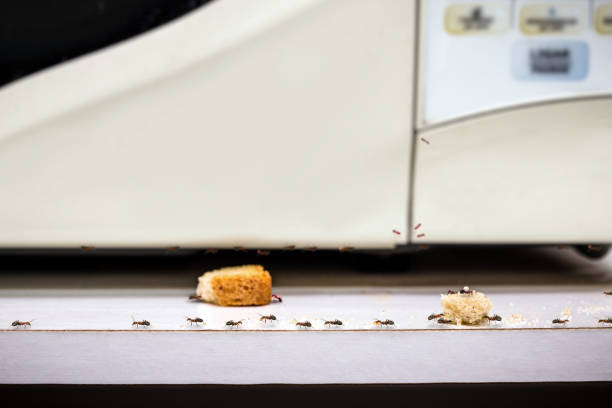
- Ants: Colonies that were dormant underground will emerge, often entering homes in search of food.
- Termites: Warmer temperatures allow termites to begin their destructive activities again.
- Bees and wasps: Many species will exit their winter nests and start looking for places to build new colonies.
Final Thoughts
Winter does not eliminate pests; instead, it changes their behavior. Snow and ice force pests to seek shelter, disrupt their food sources, and even create new entry points into homes. The cold season may also mask infestations that will become apparent in spring. By understanding these seasonal shifts, homeowners can take proactive steps to protect their homes and prevent infestations. Staying ahead of winter pest activity ensures a pest-free home when spring arrives. Investing in preventative pest control measures during the winter months will save time, money, and frustration in the long run.Frequently Asked Questions
What happens to bugs when it’s winter?
Many insects die off, go dormant or lay eggs that survive the cold, while others move indoors for warmth and food. Some, like cockroaches, ant species and rodents, stay active inside heated homes. Winter reduces some pests but pushes others into your house.
Do bugs disappear in winter?
Outdoor insects drop sharply in the cold, but they do not truly disappear. Many overwinter as eggs, larvae or adults in sheltered spots, and indoor pests such as cockroaches, mice and spiders stay active all winter. Activity returns when temperatures rise.
What month do bugs start going away?
Insect activity usually falls off after the first hard frosts in late fall, and in Oklahoma that is typically around November. Warm spells can bring some pests back out. The exact timing depends on the pest and the weather.
Does keeping the house cold prevent bugs?
Cooler indoor temperatures can slow some insects, but they will not prevent pests, because cockroaches, mice and spiders survive in cool homes. Pests also look for warm, sheltered spots near the walls and foundation. Sealing gaps matters more than the thermostat.
Should you do pest control in winter?
Yes. Winter drives mice, rats, cockroaches and other pests indoors, and a quiet infestation can grow all season. Preventive treatment and sealing entry points in winter is often easier and cheaper than dealing with a spring outbreak.
Contact Action Pest Management today for a free quote on pest control in Tulsa, OK.